
4mm mirror glass price
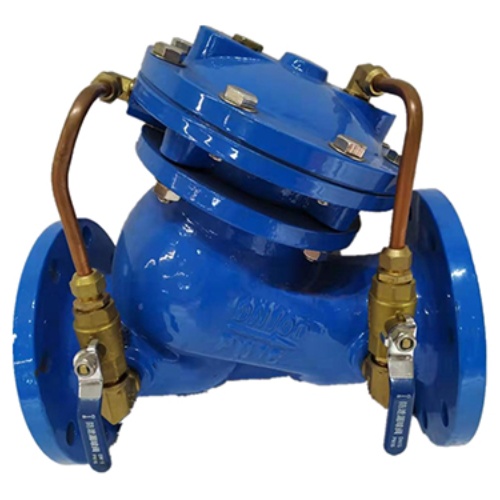
How to Adjust a Water Pressure Reducing Valve A water pressure reducing valve (PRV) is a critical component in plumbing systems, particularly in areas where the municipal water supply pressure is too high. These valves help to regulate and lower the incoming water pressure to a safe and manageable level. Adjusting a PRV can improve the performance of your plumbing fixtures, extend the lifespan of your appliances, and enhance water efficiency. Here’s a step-by-step guide on how to adjust a water pressure reducing valve effectively. Understanding the Valve Before you begin the adjustment, it’s essential to understand how a PRV works. The valve typically has an adjustment screw or knob that controls the spring mechanism inside. This mechanism regulates the pressure of the water that passes through the valve. Tools You’ll Need - Adjustable wrench or pliers - Pressure gauge (for accurate measurements) - Screwdriver Step 1 Check the Current Pressure Before making any adjustments, you should determine the current water pressure in your system. To do this, attach a pressure gauge to an outdoor faucet or any other accessible water outlet. Turn on the water and note the pressure reading. The ideal household water pressure usually ranges between 40 to 60 psi (pounds per square inch). Step 2 Locate the PRV Identify the location of your PRV. It’s typically found near the main water supply line, often close to the water meter. The valve may look like a bell-shaped device or a cylindrical body. how to adjust water pressure reducing valve Step 3 Make Adjustments Once you have located the PRV and noted the current pressure, you can proceed with the adjustment 1. Loosen the Lock Nut If your PRV has a lock nut, use your adjustable wrench to loosen it, allowing you to turn the adjustment screw comfortably. 2. Adjust the Screw To increase the water pressure, turn the adjustment screw clockwise. To decrease the pressure, turn it counterclockwise. Make small adjustments (about a quarter turn) and re-check the pressure after each adjustment using the pressure gauge. 3. Recheck Pressure After making your adjustments, turn on a few faucets in your home to allow the system to stabilize. Take another reading with the pressure gauge to ensure the pressure is within your desired range. Step 4 Secure the Adjustment Once you have achieved the desired pressure, remember to tighten the lock nut on the PRV to keep the adjustment secure. Conclusion Adjusting a water pressure reducing valve is a straightforward process that can greatly benefit your plumbing system. By ensuring that you maintain an appropriate water pressure, you can optimize the efficiency of your plumbing fixtures and appliances. Regular checks and adjustments can help prevent leaks and damage, ensuring a longer lifespan for your plumbing system. If you encounter persistent issues or are unsure about the adjustments, don’t hesitate to consult a professional plumber for assistance.
about
4mm mirror glass price
How to Turn Off a Water Valve A Step-by-Step Guide Turning off a water valve is an essential skill for homeowners and renters alike. Whether you’re dealing with a plumbing emergency, making repairs, or winterizing your home, knowing how to properly shut off your water supply can save you time, money, and prevent potential water damage. Here’s a step-by-step guide to help you through the process. Understanding the Types of Water Valves Before you begin, it’s important to familiarize yourself with the different types of water valves you might encounter in your home . The two most common types are 1. Gate Valve This valve typically has a round handle that you turn clockwise to close and counterclockwise to open. These valves can take a few turns to fully shut off the water. 2. Ball Valve This valve usually has a lever handle that you can turn a quarter turn (90 degrees) to shut off or turn on the water. They are generally quicker to operate than gate valves. 3. Angle Valve Commonly found under sinks, angle valves have a handle that you can turn to stop the water flow to specific fixtures. Step-by-Step Instructions 1. Locate the Water Valve The primary water shut-off valve for your home is usually located near the foundation where the water line enters. Additionally, individual fixtures (sinks, toilets, washing machines) will have their own shut-off valves. Ensure you know both the main valve location and the individual ones. how to turn off water valve 2. Turn off the Main Valve If you are dealing with a significant plumbing issue, it’s best to start by shutting off the main water supply. To do this, locate the main shut-off valve and turn it clockwise until it stops. You may need to use some force if the valve hasn’t been turned in a while. 3. Drain the Lines After turning off the main valve, it’s a good idea to let any remaining water in the pipes drain out. Open faucets in your home, starting from the top floor and working your way down. This helps to release pressure and ensures that your pipes are empty. 4. Test the Water Open a faucet that’s farthest from the valve you turned off to ensure that the water supply has been successfully cut off. No water should flow out if the valve has been effectively closed. 5. Address the Issue Whether you’re fixing a leak, replacing a sink, or any other task that requires the water to be off, now is the time to proceed with your work. Ensure you have the necessary tools and materials ready to complete the job. 6. Turn Water Back On Once your work is complete, it’s time to restore the water supply. Begin by slowly turning the main valve counterclockwise. After the water has been restored, check each individual fixture to make sure everything is working correctly and there are no leaks. 7. Final Check Make sure all your faucets are closed and listen for any unusual sounds from your pipes. If you hear any dripping or hissing sounds, it might indicate that a valve isn’t fully closed, and you'll need to investigate further. Conclusion Turning off your water valve might seem daunting at first, but by following these steps, you can manage your home’s plumbing needs more effectively. Regularly checking your valves and knowing how they work can prevent small issues from escalating into larger problems. Remember to maintain your plumbing system and address any potential issues promptly. By being proactive, you can ensure a safe and efficient home environment.
-

High quality industrial productsagement

High quality industrial products
View Details -

Meet the diverse needs of customers

Meet the diverse needs of customers
View Details -

Strict quality control

Strict quality control
View Details -

Top raw materials

Top raw materials
View Details -

Trusted supplier

Trusted supplier
View Details
Our application

news and information
V Block--The Perfect Tool for Precision Machining
In the world of precision machining, having the right tools is essential for achieving accurate resu
What is a Water Valve_ _ Comprehensive Guide & Types
Understanding Water Valves Essential Components for Fluid Control A water valve is a fundamental com
Varieties of ball valves and their unique characteristics in valve industry trends
Ball valves are an essential component in various industries, including oil and gas, water treatment
 English